

Shloka Book Set for Kids: Durga, Krishna, Ganesha and Vishnu
Four Shlokas Made Easy books, Nav Durga, Krishna's Story, Ganesha's Names and Vishnu Dashavatara, that introduce children to Hindu mythology through simple shlokas.
"Why does Ganesha have an elephant head?" "Who is Durga fighting?" Children ask these questions at every festival, and a good story answers them better than any lecture.
A shloka book set is an easy way to introduce your child to Hindu mythology. These books pair engaging stories and bright illustrations with short shlokas, so children learn about the gods and the verses together.
Here are the four books in our Shlokas Made Easy collection, and why they work so well for young readers.
The short answer The Shlokas Made Easy set covers Nav Durga, Krishna's story, Lord Ganesha's names and Vishnu's Dashavatara. Each book uses simple shlokas, short stories and colourful pictures in age-appropriate language. You can buy them as the Shloka 4 Books Bundle.
The four books in the shloka book set
1. Nav Durga

This book teaches children about the nine forms of Goddess Durga. Each form is explained with a simple shloka and vibrant illustrations.
It is a lovely way to introduce Hindu shlokas and the meaning of Nav Durga, especially around Navratri.
2. Krishna's Story

The tales of Lord Krishna are full of adventure and moral lessons. This book tells them in a way children can easily follow.
The shlokas are short and simple, and the colourful pictures keep little readers turning the pages.
3. Lord Ganesha's Names

Learning the different names and attributes of Lord Ganesha becomes fun with this book. Each name comes with a shloka and a short story, which helps children learn and remember them.
4. Vishnu Dashavatara
The ten incarnations of Lord Vishnu are fascinating stories that teach important life lessons. This book is designed for children, with easy shlokas and vivid illustrations.
It makes the Dashavatara tales familiar and learning about Hindu gods enjoyable.
Why parents choose these shloka books

- Engaging and educational: every story comes with shlokas that are easy to recite and remember.
- Beautiful illustrations: colourful pictures bring the stories to life for young readers.
- Cultural learning: a simple, engaging way to introduce Hindu mythology, culture and traditions.
- Age-appropriate: the language and content are written so young readers can grasp both the stories and the shlokas.
Benefits of shloka books for kids
Memory and concentration
Learning shlokas can help improve your child's memory and concentration.
Moral lessons
Each story carries a moral lesson that helps shape your child's character.
Cultural awareness
The books help children understand and appreciate their heritage from an early age.
Choosing the right shloka book can make a significant difference in how your child connects with their roots.
Festival tip Match the book to the season: Nav Durga during Navratri, Krishna's Story at Janmashtami, Ganesha's Names for Ganesh Chaturthi. The story sticks when the festival is happening around your child.
Shloka books as a gift for kids
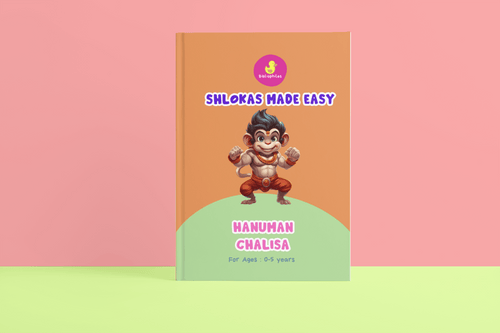
A shloka book set makes a meaningful gift for a birthday, a festival or a naming ceremony, and it lasts far longer than a toy. The same series also has a Hanuman Chalisa book for kids. Add a name label inside the cover so the books stay with your child.
 58% off
 58% off
See all shloka books, our personalised book labels, or more gifts for kids.
Read next
Frequently asked questions
Which books are in the shloka book set?
Nav Durga, Krishna's Story, Lord Ganesha's Names and Vishnu Dashavatara, from the Shlokas Made Easy series.
Are shloka books a good gift for kids?
Yes. They are educational, engaging and beautifully illustrated, and they help children connect with their cultural roots.
What are the benefits of learning shlokas?
Shlokas can help improve memory and concentration, and the stories carry moral lessons and build cultural awareness.
Is there a Hanuman Chalisa book for kids in the series?
Yes, Shlokas Made Easy also has a Hanuman Chalisa book.


Join the conversation