

Why Children Get Attached to Things (and When to Let Them)
Why a child clings to one bottle, bag or blanket: familiarity, memories, ownership and independence, and when there's no need to replace it.
The new bottle is still in its box. Your child wants the old one, the one with the scratched lid, and nothing else will do.
A child can have one favourite bottle, bag, toy or blanket and refuse to use anything else. To adults it looks like just a favourite object. So why do children get attached to things like this?
For children these things can mean much more. They become part of the routine and help them feel comfortable and secure.
The short answer Familiar objects feel safe when so much around a child is new. They also carry happy memories, give a sense of ownership (especially when the child's name is on them) and offer small moments of independence. If the item is safe and still useful, there is usually no need to replace it.
Why children get attached to things
Familiar things feel comfortable
Children experience many new things as they grow. New schools, new teachers, new friends and new routines can feel overwhelming.
A familiar object gives them something they already know. That is why a child may want to carry the same bag every day or use the same water bottle even when there are other options.
The object may not be special to us, but it feels familiar to them.
Things are connected with memories
A favourite item can remind children of a happy experience.
Maybe they received the bag from someone they love. Maybe their water bottle has their favourite character on it. Over time, the object becomes connected with memories and emotions.
Personalised things feel more special
Children often enjoy seeing their own name on things because it makes the item feel personal.
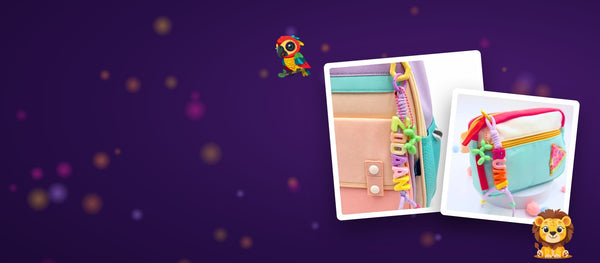
A name label on a notebook or a personalised bag tag helps a child recognise their belongings. Beyond that practical use, it also creates a stronger sense of ownership.
This is one reason personalised school essentials can become favourites rather than just everyday objects.

It is also about independence
As children grow, they want to do more things on their own.
Recognising their own bag, opening their lunch box or picking their own bottle gives them small moments of independence. When a child feels connected to their belongings, they may also take more interest in caring for them.
Comfort objects for kids: should parents replace them?
Not always.
If the item is safe and still useful, there is usually no need to replace it simply because there is something newer or better looking.
Use the attachment A favourite object is a good chance to teach children how to take care of their belongings, and to understand when something genuinely needs replacing.
A small thing can mean a lot to a child
Children do not always explain why they love a particular thing. Sometimes the object feels familiar. Sometimes it reminds them of someone or something they love.
And sometimes they simply feel happy because it is theirs.
That is what makes a child's attachment to toys and everyday things so interesting. What looks like an ordinary school item to us can become a small part of their world.
Make their things feel like theirs
If your child loves seeing their name on their things, a few name labels can turn everyday school items into ones they recognise and look after.
 58% off
 35% off
 58% off
See personalised name stickers and labels, waterproof name labels for bottles and tiffins and transparent name labels, or read the complete guide to labelling school essentials.
Read next
Frequently asked questions
Why does my child refuse to use anything except one favourite bottle or bag?
Familiar objects feel safe when school, teachers, friends and routines keep changing. The object may also hold happy memories or feel like it belongs only to them.
Is child attachment to toys and objects normal?
Children often become attached to familiar things. It can also be about independence: recognising and choosing their own things gives them small moments of control.
Should I replace my child's comfort object?
Not always. If it is safe and still useful, there is usually no need. Use it to teach them how to care for their things and when something genuinely needs replacing.
Join the conversation