

Winter Tiffin: How to Keep School Lunch Warm Without a Microwave
No microwave at school and a cold, hard roti by lunch? Which containers really keep a tiffin warm, how to preheat a food flask, and which winter foods taste good at room temperature.
You pack it at 7 AM, steaming. Lunch break is at 12:30. By then the roti is stiff, the ghee in the dal has set white, and the tiffin comes home almost full with one word: "cold". If you are hunting for a lunch box that keeps food warm until lunch, you are not the only parent standing at the kitchen counter in a sweater, wondering what went wrong.
Here is the honest answer. Only a vacuum-insulated food jar, preheated with boiling water, keeps food properly hot through a school morning. A regular steel lunch box, even a good one, keeps food fresh and sealed, but it cools down over five hours.
So the winter tiffin that works is a mix: one hot item in a preheated flask, and the rest made from foods that taste good at room temperature.
The short answer Use a vacuum-insulated food jar for the one hot dish: fill it with boiling water, wait a few minutes, empty it, add food straight from the stove and keep it shut. Pack the rest of the tiffin with foods that are fine at room temperature, like thepla, stuffed paratha, idli or dry sabzi. Avoid lukewarm gravies sitting for hours.
Why winter lunches go wrong
Three things happen between packing and lunch in a north Indian winter.
- Fat sets. Ghee, butter and oil-heavy gravies turn waxy and white as they cool.
- Starch hardens. Rotis, rice and poha dry out and stiffen.
- Steam turns into sogginess. Hot food sealed in a box releases steam, which condenses on the lid and drips back.

The fix is partly the container and partly the menu. Most parents only change the container, and then wonder why the tiffin still comes back full.
Is there a lunch box that keeps food warm?
Not every "insulated" box is the same. Here is what each type can honestly do.
| Container | Keeps food hot? | Best for |
|---|---|---|
| Vacuum-insulated food jar (food flask) | Yes, for several hours if preheated | The one hot dish: dal, khichdi, soup, pasta |
| Steel bento or tiffin box | No. Fresh and sealed, but it cools | Parathas, dry sabzi, rice, idli |
| Insulated bottle | Yes, for drinks | Warm water or a light soup |
| Insulated lunch bag | Slows heat loss a little | Wrapping around whatever box you use |
Vacuum-insulated food jars
These are double-walled with a vacuum between the walls, like a thermos for food. They are the only kind of container that keeps food truly hot for several hours.
The downsides: they are heavier, and a young child may struggle with a tight lid. Practise opening it at home, more than once.
Steel bento and tiffin boxes
Good for keeping food fresh, separate and leak-free. Not designed to keep it piping hot. They work best with foods that are fine warm or at room temperature.
Bottles and lunch bags
A child who sips warm water at lunch feels warmer, even if the food has cooled. An insulated lunch bag wrapped around the box buys a little extra time.
A cold tiffin is rarely a container problem alone. It is a menu problem dressed up as a container problem.
How to preheat a flask properly
The US Department of Agriculture's food-safety service gives a simple method for keeping hot lunches hot.

- Fill the insulated container with boiling water.
- Let it stand for a few minutes.
- Empty it, and add the food piping hot, straight from the stove.
- Keep the lid closed until lunchtime.
The same guidance says hot food should stay at 60°C or above to stay safe, and food should not sit out at room temperature for more than two hours.
In practice, that means one of two things. Either the food is truly hot in a preheated flask, or it is a food that is safe and tasty at room temperature. Lukewarm dal sitting for five hours is the one to avoid.
Tip: boil the kettle before you start cooking. By the time the dal is ready, the flask has had its hot-water bath and is ready to fill.
Winter tiffin foods that taste good cold
These hold up well even when the tiffin cools down.

- Parathas and theplas, especially methi thepla, which stays soft for hours.
- Stuffed parathas (aloo, paneer, gobhi) rolled with a little curd on the side.
- Idli, dhokla and handvo, which are meant to be eaten at room temperature.
- Vegetable pulao or jeera rice with a dry sabzi, made with less ghee.
- Dry sabzis like aloo-gobhi, bhindi or beans, instead of gravy dishes.
- Rolls and kathi wraps, wrapped tight in foil or butter paper.
- Chilla or besan cheela, folded with a filling.
- Fruit and nuts for the short break: oranges, guavas and peanuts are winter favourites.
For more recipes across the week, see our 30 healthy tiffin ideas for school kids.
Foods that go badly cold
- Plain rotis without ghee or a filling. They stiffen within a couple of hours.
- Ghee-heavy dal and gravies. The fat sets and the texture puts children off.
- Maggi or noodles. They swell and clump.
- Fried snacks like pakoras. They go soggy in a sealed box.
- Anything with mayonnaise or cream that sits unchilled for hours.
Small tricks that help on cold mornings
- Pack last. Cook, then pack at the very last minute before the bus.
- Roll rotis with a thin layer of ghee and wrap them in a cloth inside the box. They stay softer.
- Let very hot food breathe for a minute before sealing a regular box, so less steam is trapped.
- Send a warm drink. Warm water or a light soup in a flask makes a cold lunch feel better.
- Ask what the school allows. Some schools have a warmer or let teachers help open flasks for younger children. Many do not.
- Talk to your child. Some children prefer room-temperature food anyway. Ask before you buy a flask.
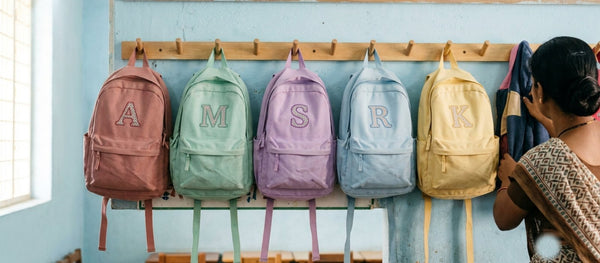
While you are sorting winter for school, the sweaters need names too. Here is how to label school sweaters and the winter uniform before the first one goes missing.
What our bento box can and cannot do
Our Premium Bento Lunch Box (₹1,299) is a 304-grade stainless steel box with three sealed compartments, a four-side clip lock and a steam vent, so hot food does not sit in its own steam and turn soggy.
The product page describes "water insulation" that helps hold the temperature for longer. It does not give an hour figure, and it is not a vacuum flask, so we will not promise you hot food at 1 PM. What it does well in winter is keep dry sabzi, paratha and rice apart, sealed and leak-free, which is exactly the menu above.
 35% off
 35% off
 37% off
For a warm drink, our personalised water bottles (₹999, 350 ml) are double-wall insulated 304 steel. The product page states they keep drinks hot for up to 6 hours and cold for up to 12.
The bento and bottle combo is ₹2,199. The full range is in the bento tiffin box collection. Prices checked on our store on 13 October 2026.
Swipe to see the box, the bottle and what fits inside.


Warm water in the bottle, thepla in the box, dal in a preheated flask. That is a winter tiffin that comes home empty.
Frequently asked questions
Which lunch box keeps food warm until lunch?
A vacuum-insulated food jar, preheated with boiling water and filled with piping hot food, is the only type that keeps food properly hot through a school morning. Steel bento boxes keep food fresh and sealed but cool down over a few hours.
How do I keep my child's tiffin warm without a microwave?
Preheat a vacuum food jar with boiling water, empty it, add food straight from the stove and keep it closed. For the rest of the tiffin, pack foods that taste good at room temperature, like theplas, stuffed parathas, idli or dry sabzi.
Is it safe to send warm food that cools down by lunch?
Food-safety guidance from the USDA says hot food should stay at 60°C or above, and food should not sit at room temperature for more than two hours. Choose either truly hot food in a preheated flask or foods that are safe at room temperature.
What are good winter tiffin ideas for kids?
Methi thepla, stuffed parathas, idli, dhokla, vegetable pulao with dry sabzi, rolls, besan chilla, and winter fruit like oranges and guavas.
Does a steel bento box keep food hot?
It keeps food fresh, separated and leak-free, and some have features that slow heat loss, but a steel bento is not a vacuum flask. Expect warm-to-room-temperature food at lunch, and plan the menu around that.

Join the conversation