

Annual-Day Nerves: Star Parents in the Audience, and How to Help Your Child on Stage
Even star parents get emotional at annual day. What child psychologists say about stage fear in kids, with rehearsal tips and what to say after the show.
The costume has been stitched, the dance has been practised in the living room forty times, and the night before annual day your child says, very quietly, "What if I forget the steps?" If your stomach drops a little at that moment, here's some comfort: even the biggest film stars in the country turn into nervous, proud, slightly teary parents when their child walks onto a school stage. And the stage fright your child is feeling is one of the most normal feelings there is.
The short answer Annual-day nerves are normal and don't mean your child isn't ready. Child psychologists suggest you acknowledge the feeling, don't let them skip the show because of it, practise at home with a pretend audience, look after sleep and food on the day, and praise the courage of going on stage, not the performance.
How did star parents react at their kids' annual day?
Every year, videos from celebrity families' school annual days go round the internet, and the most-watched clips are rarely of the stage. They're of the audience. In 2024, Shah Rukh Khan was filmed beaming and visibly emotional as students, including his youngest son, performed to "Yeh Jo Desh Hai Tera" from his own film Swades, as reported by The Indian Express.
At the same kind of event, Aishwarya Rai Bachchan and Abhishek Bachchan were seen cheering for their daughter, with Amitabh Bachchan sitting next to them and joining in, according to India Today. A year earlier, the Hindustan Times carried clips of Aishwarya recording the performance on her phone, like every other parent in the row.
That's the part we love. Strip away the fame and it's the same scene as in any school hall in India: a parent holding up a phone with shaky hands, trying to film and wave at the same time.
Strip away the fame and it's the same scene as in any school hall: a parent holding up a phone with shaky hands, trying to film and wave at the same time.
Why do kids get stage fright?
Performing in front of a crowd is one of the most common worries there is, for adults as much as children. For a five-year-old in a sequinned costume, nerves can look like tears, clinging, or a sudden tummy ache the night before. It doesn't mean something is wrong. The Raising Children Network advises parents not to label a child as "shy", and to gently encourage them to do things in front of other people instead of speaking for them.

How can I help my child overcome stage fear?
The Child Mind Institute says the goal isn't to remove the anxiety, but to help a child learn to manage it. Its advice, turned into annual-day language:
- Don't let fear cancel the show. Helping a child avoid what scares them feels kind in the moment, but it makes the fear stronger over time.
- Be positive, but realistic. You can't promise they won't forget a step. You can say you're sure they'll manage, even if they do.
- Don't ask leading questions. "Are you scared about tomorrow?" plants the worry. "How are you feeling about tomorrow?" leaves room for any answer.
- Respect the feeling. "It's normal to feel wobbly before a show. Lots of people do."

How do I prepare my child for the annual day performance?
Practical rehearsal helps more than pep talks. PBS KIDS for Parents suggests role-playing at home: make paper tickets, sit on the sofa as the audience while your child performs, then swap places. On the day itself, it recommends plenty of sleep, a healthy meal, lots of water (and bathroom breaks), a few slow breaths, and a little wiggling about just before going on to shake out the nerves.
Two small Indian additions from us. Do a full dress rehearsal at home, so the costume, the jhumkas or the paper crown don't feel strange on the day. And find out where you'll be sitting, so your child knows exactly where to look for a friendly face.
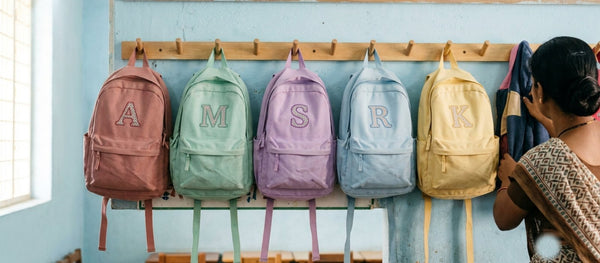
Almost missed this Costumes, props and shoes get swapped backstage all the time. Put a small name label inside the costume and on the shoes, so they come home in the right bag after the show.
What should I say after the show?
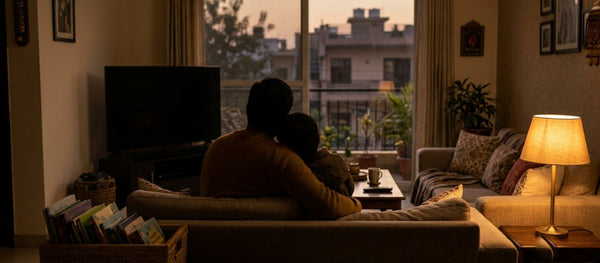
Praise the brave part, not just the polished part. "You went on stage even though you were nervous" is worth more than "You were the best one". If something went wrong, laugh about it together later, at home. The Raising Children Network suggests praising a child's courage quietly when others are around, and making a big deal of it when you're alone. And if your child is still finding it hard to speak up in front of people, our post on helping a shy child say hello has gentle ideas.
How we can help
Annual day is a big deal, whatever happens on stage. Some families mark it with a small gift that says "we saw how brave you were", something useful they'll keep using. You'll find a few ideas in our useful gifts collection, and our clothes stickers help costumes and shoes find their way home.


Frequently asked questions
Is it normal for kids to have stage fright before annual day?
Yes. Feeling nervous before performing in front of others is very common, in children and adults. It doesn't mean your child isn't ready.
Should I let my child skip annual day if they're scared?
Child psychologists generally advise against avoiding things only because they cause anxiety. Try a smaller role or a back-row spot instead, and talk to the teacher.
How can I help my child practise for a school performance?
Role-play at home with paper tickets and the family as the audience, then swap places. Do one full dress rehearsal before the day.
What should I say to my child after the annual day show?
Praise the courage it took to go on stage, not only how well they performed. Save any funny mistakes for a laugh together at home.

Join the conversation